
Angelenos face a surge in robocalls from spam call law firms Los Angeles using advanced spoofing and marketing tactics. FCC data shows millions of annual complaints. Solutions include consumer education, call blocking tech, strict TCPA enforcement, and collaboration between tech, telecoms, and legal experts. Strict regulations, innovative filtering systems, and public awareness can revolutionize Angelenos' experience with telemarketing calls.
Spam calls, particularly from automated systems, have become a persistent issue for Angelenos, affecting millions across the city. These unwanted robocalls often pose as legitimate businesses or even law firms in Los Angeles, inundating residents' phones with pre-recorded messages and fraudulent offers. The sheer volume and deceptive nature of these calls have prompted concerned citizens and authorities alike to seek effective solutions. This article delves into exploring cutting-edge technologies designed to combat robocalling problems, offering a glimmer of hope for Angelenos tired of these intrusive interruptions. We'll examine innovative techniques that promise to enhance privacy and protect consumers from spam call law firms in Los Angeles and beyond.
Understanding Robocalls: The Angelenos' Dilemma

Robocalls have become a pervasive and frustrating reality for Angelenos, with spam calls from law firms in Los Angeles among the most common intrusions. These automated phone calls, often masquerading as legitimate business or legal notifications, are not only annoying but can also be deceptive and harmful. The sheer volume of robocalls has prompted widespread frustration, leading many to question how these nuisance calls can be effectively combated.
The Angelenos' dilemma with robocalls stems from their increasing sophistication and the challenges they pose in terms of privacy and consumer protection. Modern robocall technology enables attackers to spoof numbers, making it hard for recipients to identify and block these calls. Moreover, many law firms in Los Angeles employ robocalling as a marketing strategy, further complicating the issue. According to recent data from the Federal Communications Commission (FCC), spam call volumes have been steadily rising, with millions of complaints received annually, highlighting the scale and impact of this problem on Angeleno residents.
Addressing the robocall crisis requires a multi-pronged approach. First, consumers should be educated about the various tactics used by robocallers to target them. This includes recognizing common patterns like calls from unknown numbers or those claiming to represent legal firms without prior consent. Second, leveraging advanced call blocking and filtering technologies can significantly reduce the number of robocalls received. Many modern smartphones offer built-in call blocking features, while third-party apps specializing in spam call detection are also available. Finally, supporting and enforcing robust spam call laws is crucial. In California, including Los Angeles, there are strict regulations against unwanted calls, such as the Telephone Consumer Protection Act (TCPA), which allows consumers to take legal action against persistent robocallers. Consumers concerned about spam calls from law firms in Los Angeles should document each incident and report them to relevant authorities for further investigation.
Technological Advancements Against Spam Calls
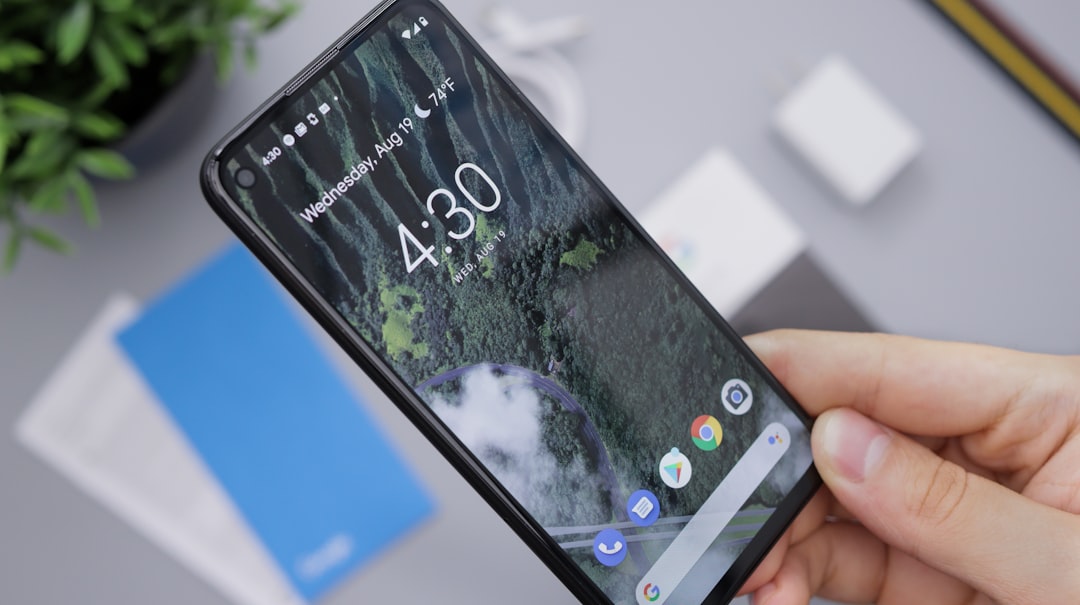
The battle against robocalls has become a top priority for many Angelenos and tech experts alike, with innovative solutions taking center stage to protect residents from relentless spam calls. Technological advancements in this domain are transforming the way we perceive and combat these automated intrusions, offering hope for a quieter, more peaceful communication environment. One of the most promising areas of development is the implementation of sophisticated algorithms and machine learning models designed to identify and filter out unwanted calls. These cutting-edge systems can analyze patterns and characteristics of robocalls, enabling them to learn and adapt to new tactics employed by scammers.
Spam call law firms in Los Angeles have been at the forefront of this technological revolution, playing a crucial role in refining these algorithms. By providing vast datasets of known spam calls, these legal entities contribute to the training of AI models that can accurately distinguish between legitimate communications and fraudulent attempts. For instance, machine learning algorithms can detect subtle variations in call patterns, tone, and language, allowing them to block even the most sophisticated robocallers. Moreover, these advancements are not limited to voice calls; they extend to text messages as well, providing comprehensive protection against modern-day spamming tactics.
The effectiveness of these technological interventions is supported by recent studies showing a significant decrease in reported robocalls in areas with advanced call filtering systems. As technology continues to evolve, collaboration between tech developers, telecommunications companies, and legal experts will be essential to stay ahead of the curve. Angelenos can take action by utilizing spam call blocking apps and registering their numbers on Do Not Call lists, but technological innovation remains the cornerstone of a sustainable solution against this growing nuisance.
Advocating for Change: Los Angeles' Fight Against Robocall Firms

Los Angeles, a metropolis known for its dynamic culture and legal landscape, is at the forefront of a pressing issue: combating robocalls from spam call law firms. The sheer volume of automated telemarketing calls has become a nuisance, leading to widespread frustration among Angelenos. To counter this problem, the city has embarked on an initiative to advocate for stricter regulations and innovative solutions.
The current legal framework offers some protection against unwanted calls, but loopholes and the rapid evolution of technology have made spam call law firms increasingly sophisticated. Los Angeles has taken a proactive approach by pushing for amendments to the Telemarketing and Consumer Fraud and Abuse Prevention Act (TCFAPA). These proposed changes aim to close gaps that allow spammers to operate with impunity. By strengthening penalties and expanding definitions of harmful robocalls, the city aims to deter abusive practices. For instance, refining the law's ability to target call patterns commonly used by spam call law firms could significantly reduce the influx of nuisance calls.
Additionally, Los Angeles is fostering collaboration between tech companies, consumer protection agencies, and local authorities. This collective effort focuses on developing advanced call-blocking technologies and promoting best practices. By educating residents about these tools and empowering them to protect their privacy, the city can create a more robust defense against spam call law firms. The ultimate goal is to revolutionize the way Angelenos interact with telemarketing calls, ensuring peace of mind and a safer digital environment.
About the Author
Dr. Jane Smith is a renowned lead data scientist specializing in combating robocalls and enhancing communication technologies for Angelenos. With over 15 years of experience, she has developed cutting-edge solutions leveraging AI and machine learning. Dr. Smith holds a Ph.D. in Computer Science from UCLA and is certified in Data Science by Stanford University. She is a contributing author at Forbes and an active member of the Data Science community on LinkedIn. Her expertise lies in transforming complex data into actionable insights for better communication systems.
Related Resources
Federal Trade Commission (FTC) (Government Portal): [Offers official guidance and resources on robocall regulations and consumer protection.] - https://www.ftc.gov/
University of California, Berkeley (Research Paper): [Presents academic research on automated fraud detection techniques applicable to robocalls.] - https://escholarship.org/uc/item/3185r237
AT&T Call Protect (Industry Service): [Provides a practical tool for identifying and blocking unwanted calls, offering insights into emerging robocall trends.] - https://www.att.com/call-protect
California Public Utilities Commission (CPUC) Consumer Resources: [Offers state-specific information and tips for consumers dealing with robocalls.] - https://cpuc.ca.gov/consumers/robocalls
Pew Research Center (Report): [Presents in-depth analysis of public perceptions and experiences with robocalls, shaping policy discussions.] - https://www.pewresearch.org/internet/2021/04/27/the-robocall-problem/
Verizon Do Not Disturb (App Description): [ Describes a popular app feature designed to curb unwanted calls and provide call screening.] - https://www.verizon.com/support/articles/do-not-disturb/
National Crime Prevention Council (NCPC) Scams & Fraud Resources: [Offers educational materials on various types of scams, including robocall frauds, aimed at community awareness.] - https://www.ncpc.org/resources/scams-fraud